
What Delaware County Resident Lookup Confirms
No single list holds every answer here. The Auditor links a name or address to a parcel. The Recorder places recorded parties inside a document trail. Ohio's voter tool returns registration and precinct context. It works once you supply a first name, last name, and county. Courts, Probate, vital records, libraries, and archives each contribute one dated fact at a time. So the real question is never just whether a name shows up. Ask instead about the record's date, party role, and access limits. Do those details actually fit the person in question? A Delaware County resident lookup earns trust only when those pieces line up.
| Record | What it can confirm | County or state keeper | Available channel |
|---|---|---|---|
| Property roll | Recorded owner, parcel, and conveyance context | Delaware County Auditor | Property search, GIS, or Auditor contact |
| Recorded instrument | Party, instrument, and legal-description trail | Delaware County Recorder | Web index, examination room, or Records Center |
| Voter record | Registration, precinct, and polling context | Ohio Secretary of State and Board of Elections | Name-and-county form or county office |
| Court or Probate docket | Party role, case event, estate, or marriage clue | Common Pleas, Probate, or Municipal Court | Portal, lobby terminal, clerk, or archive |
| Vital or historical source | Dated event or historical household clue | DPHD, ODH, Delaware County District Library (DCDL), or Cryder | Order channel, library shelf, or archive |
Match the record to the fact you already hold. An address or parcel number points to the Auditor. A document date or a recorded party belongs with the Recorder. A court question needs the right division before anything else. For an older name, the library's obituary index, a Probate file, or a cemetery source may beat the property rolls as a first stop. One hit is only a lead. Wait until a second custodian supplies a matching fact.
Delaware County Resident Lookup by Parcel
The Delaware County Auditor property search takes an Owner Name, an Address, or a Tax Parcel Number. One primary field is required, and those fields do not combine. For address searches, use the proper street suffix; parcel-number dashes get stripped automatically. A return can carry the parcel number, owner name, address, market value, conveyance date, year built, bedrooms, baths, finished square feet, acreage, and even a photo URL. That is rich context for any parcel lookup. Still, a current owner field names who holds title. It cannot tell you every person living at the parcel.
| Auditor search control | Use in a name check |
|---|---|
| Owner Name | Begins a parcel trail from a surname. |
| Address | Finds the parcel tied to a known street number and suffix. |
| Tax Parcel Number | Connects the property return to GIS and recorded documents. |
| Conveyance date | Provides a date to test against Recorder records. |
| Subdivision or street name | Offers advanced local narrowing when a simple search is broad. |
Keep four values distinct. These are the parcel number, the situs address, the legal description, and the recorded-party name. The situs address identifies the physical parcel. The legal description is the lot, subdivision, or metes-and-bounds wording deeds rely on. Each value can mark a different moment in the record trail.
Verify a Delaware County Resident Record
Treat a Delaware County resident lookup as a way to test independent facts. This matters especially with a common name. A parcel return gives you a date and recorded-owner context. The Recorder can then add a party role, an instrument number, a short legal description, and a book or page reference. Ohio My Voter Information confirms by name and county. It is not an address-browsing tool. Court and Probate results contribute party role and case information. For historical questions, weigh the edition date of a directory or obituary against the rest of the trail. Only then should you trust it.
- Search the Auditor by owner surname, address, or parcel number, then retain the parcel and conveyance details rather than a name alone.
- Search the Recorder by party name and try documented spelling variants. Compare the instrument date and legal description with the parcel trail.
- Use the Ohio voter confirmation form with first name, last name, and county only when registration and precinct context are relevant.
- Choose the correct court or event custodian, preserving the case number, party role, event date, or certificate route. Request a certified copy only from the office that issues it.
- Docket
- A court's chronological list of activity in a case, not a statement that every document is available online.
- Index versus image
- An index helps locate a record. An image is the document view, and remote access can be narrower than counter inspection.
- Certified copy
- A copy issued by the custodian with its certification. It is different from an informational screen image.
Note: A match gains strength when the name, date, role, and source scope agree across at least two independent custodians.
Delaware County Resident Lookup Court Names
Common Pleas eServices offers search by case number, case type, party name, attorney, ticket or citation, and calendar. It covers computerized public information across the General, Probate, and Juvenile divisions. Pick the right forum first. Common Pleas and Domestic Relations records run through the county clerk route. Probate matters follow Probate's own record-search and terminal instructions. Delaware Municipal Court keeps separate TR/CR and Civil Case Lookup paths. A party hit proves only that someone with that name appears in a proceeding. It does not fix a current address. Nor does it separate two people who share a name.
| Known public portal item | Why retain it |
|---|---|
| Case number and case type | Identifies the specific proceeding and division. |
| Party name and role | Distinguishes a party from an attorney or another named person. |
| Docket entries | Shows dated case activity, subject to court access rules. |
| Scheduled event | Records a calendar item that can change. |
| Document availability | Signals whether an online image is offered, not whether every file is remotely viewable. |
Domestic Relations images stay closed to remote public viewing, and Juvenile and Probate images carry limits of their own. Sealed, restricted, adoption-related, and personal-identifier material sits behind its own court boundary. When an item is not online, ask the clerk about paper inspection, archived retrieval, or the proper process.
Delaware County Resident Lookup Heir Trails
Hunting a possible heir or a deceased relative? Delaware County Probate Court is the local starting point for estate and marriage clues. Probate keeps estate records from January 20, 1950 forward. Earlier estate and marriage holdings go to the County Records Center. Its public record-search information also describes a lobby terminal for reasonable computerized name-docket searching. Bring more than a bare surname when you contact the court or the archive. A date helps. So does an estate case number, a fiduciary role, or a marriage period. Each will get you much further.
The Delaware County Genealogical Society obituary index offers a different kind of lead. It holds more than 69,000 records. They come from county newspapers, 1821 through 2011, with ID, name, page, and year fields. Keep those fields handy. Then consult the underlying notice through the library or archive whenever a relationship or date matters. Probate, obituary, cemetery, and directory evidence can together form an heir trail. Just remember each source stays dated and limited to what it records.
Delaware County Resident Lookup Vital Events
Ohio treats vital records differently than many states. There is no blanket age rule that closes them. Under Ohio Revised Code, R.C. 3705.23, the state or a local registrar issues a certified copy once an applicant signs the form and pays the fee. A specific confidentiality provision can override that. In Delaware County, the Delaware Public Health District (DPHD) handles birth and death certificates. Marriage records follow a different path. The Probate Court holds county marriages from 1996 forward. Earlier material sits at the Records Center.
A certificate proves the event happened at a stated date and place. It does not establish a later address or a full family relationship. DPHD currently takes certificate orders by walk-in, mail, online, and will-call. A local phone line and application route handle questions. Adoption files carry extra restrictions. So do the confidential medical portion of a birth record and protected Social Security data in recent death records. For adoption or birth-parent questions, use Ohio's official adoption channel. Working around a restricted file is not the answer.
Delaware County Resident Lookup: Eleven Directories
Eleven digitized directories cover Delaware County from 1859 through 1922. They sit in the Ohio Memory Delaware County Historical Society collection. The set mixes city and county directories with street and householder sections, plus the 1915 Farm Journal volume. A historical directory can tie a name to a spouse clue. It can also give an occupation, route, or street in a single edition year. That is not current proof of residence. Still, it works well as a second source when a modern portal leaves an older question unanswered.
The 1901 Street/Number Directory and the street or householder sections of 1905-06, 1908-09, and 1922 function as local reverse directories. DCDL and Cryder hold the physical collection path for later or specialized volumes. Before carrying a historical entry forward, compare the edition. Also compare the printed name form, the address or route, and any family clue. Editions disagree. Small differences matter.
Delaware County Resident Lookup State Context
State indexes add narrow context to a Delaware County resident lookup. eLicense Ohio spans 24 boards and agencies. It updates daily. The site accepts a sparse name-plus-board search or a full license-number query. A visible record can display the holder, status, board, credential type or number, dates, location fields, and board action. That is a credential record, though. It is not proof of a home address or of identity in another source.
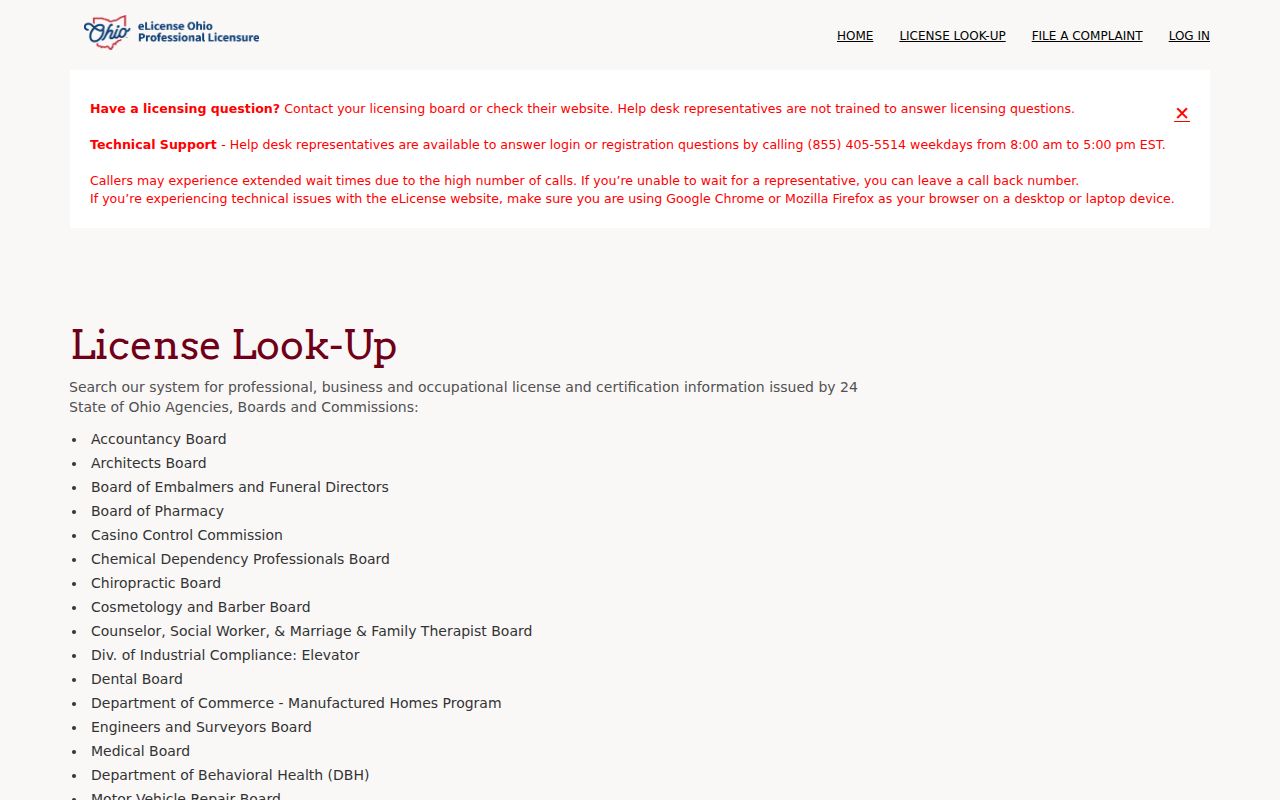
The board, status, and date fields help separate same-name results when a separate Delaware County record supplies the link. Ohio Department of Rehabilitation and Correction Offender Search is another state database with a defined scope. Queries can combine an optional last and first name with county of commitment, residential county, ZIP, parole-hearing date, or offender number, plus status selections. The coverage reaches specified Ohio custody and supervision contexts. It is not a complete county record. Nor does it confirm a current address.
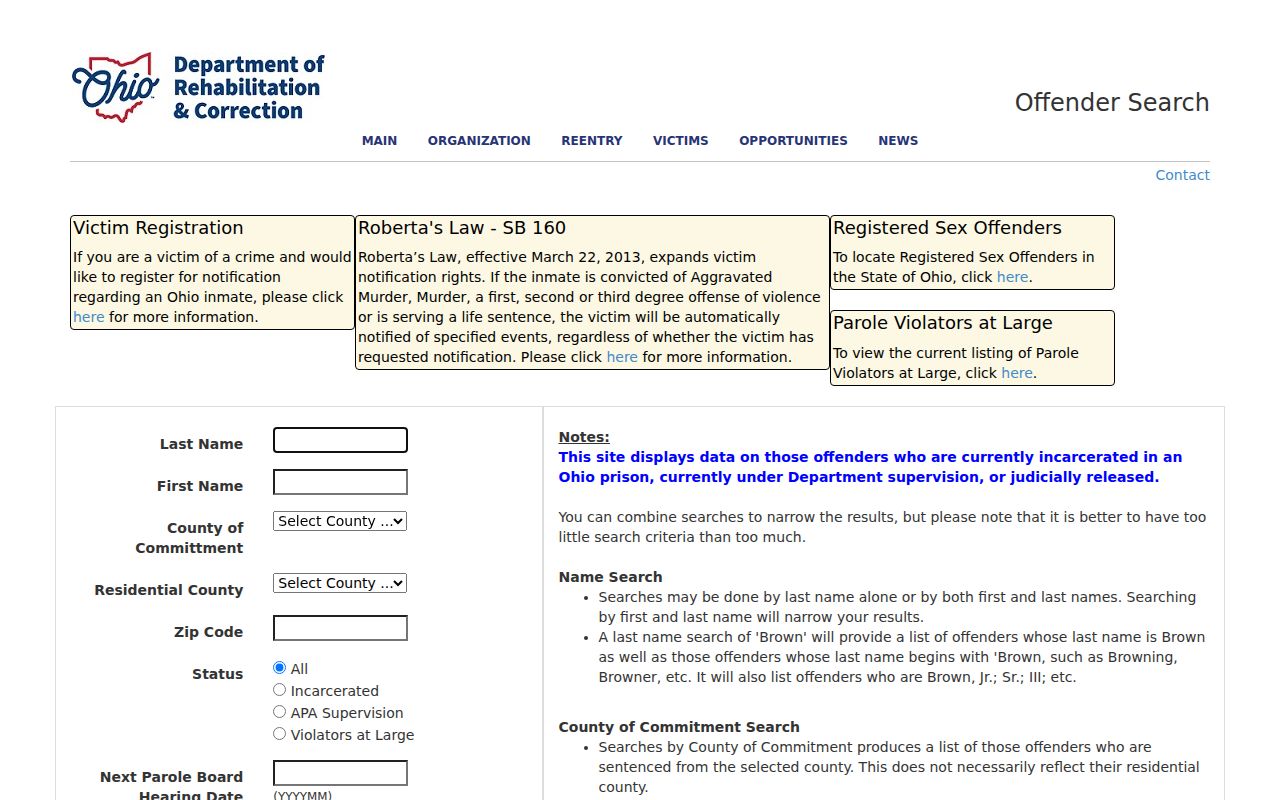
Match any returned record by its own identifiers and dates. Never infer present residence from a broad search field alone.
Delaware County Resident Record Requests
An online index can fall short. In that case, send the request to the office holding the actual record. Delaware County accepts public-record requests several ways. Phone, in person, email, and mail to the designated custodian all work. Ohio's Public Records Act, R.C. 149.43, generally demands no written request, identity, or purpose. A strong request still helps. Name the document or record type. Give a precise name or address. State a date range, and note the preferred copy format.
The Recorder's online real-estate coverage generally starts in 1990. The examination room and microfilm bridge older material. Probate directs older estate and marriage files to the Records Center. The Clerk controls Common Pleas files. The Municipal Court permits supervised inspection of paper files under its local rules. The Records Center serves as an archival and copy channel. It is not a substitute custodian for every county record. Its request form requires payment and a self-addressed stamped envelope.
Note: Ask the keeper for the available inspection or copy route. Do this when a search return says an image is unavailable.
Lawful Limits for Delaware County Resident Lookup
Ohio Safe at Home is a confidentiality program for qualifying participants and their households. It offers a substitute address, confidential voter registration, mail handling, and a real-property confidentiality path. A participant's identity, address, ballot materials, and confidentiality notice information stay exempt. The exemption applies under the cited Ohio public-record provisions. Do not try to rebuild a protected location from nearby records. Court restrictions and adoption material carry separate limits. Medical sections of birth records, personal identifiers, and protected voter information do too.
Spotting a possible error in an official record? Contact the custodian directly with the record identifier and explain the issue. A Recorder cannot simply rewrite a properly filed historical instrument. A court record may need a motion or order. Ohio has no single deletion form covering all public records and private publications. Each correction, redaction, or confidentiality route belongs to the record keeper. The law that controls it decides the rest.
Lawful use. Use Delaware County records for personal, lawful research. Stalking, harassing, threatening, impersonating, or obtaining a record by deception can violate Ohio law.